
Nauru Citizenship: A Comprehensive Guide
Nauru, a small island nation in the Pacific Ocean, has unique citizenship laws that reflect its cultural heritage and geopolitical circumstances. The path to becoming a citizen of Nauru is often misunderstood, making it essential to delve into the specifics of the Nauru Citizenship Act. Whether you’re considering obtaining Nauruan citizenship for personal reasons, or you simply want to explore the possibilities, this guide aims to provide comprehensive information to navigate the complexities of this process. For more detailed insights, visit Nauru Citizenship http://www.naurucitizenship.net/.
Understanding Nauru Citizenship
Nauru citizenship is governed by the Nauru Citizenship Act of 2005. Unlike many countries that offer citizenship by birthright or purely through residency, Nauru has specific criteria that potential citizens must meet. Being a citizen of Nauru confers certain rights and obligations, and understanding these can be crucial to ensuring a smooth application process.
Types of Nauru Citizenship
There are primarily two types of citizenship in Nauru: citizenship by birth and citizenship by grant. Additionally, Nauru recognizes naturalization for foreign nationals who meet specific criteria.
Citizenship by Birth
Citizenship by birth applies to individuals born in Nauru or born to Nauruan parents outside the country. This type of citizenship is automatic and does not require any application process.
Citizenship by Grant
Citizenship by grant is available for foreign nationals who want to become citizens of Nauru. Applicants must meet specific requirements, such as proficiency in the Nauruan language and knowledge of Nauru’s culture and traditions. This pathway often involves demonstrating a willingness to integrate into Nauruan society.
The Process of Obtaining Nauru Citizenship
The application process for obtaining Nauru citizenship involves several steps. The Nauru Immigration Department is the main authority overseeing this process, ensuring that all applications comply with the laws stipulated in the Citizenship Act.
Step 1: Eligibility Assessment
Before applying for citizenship, it is crucial to ascertain your eligibility. This includes age (must be at least 18 years), residency timeframe, and the ability to demonstrate a genuine connection to the nation.
Step 2: Application Submission
Once eligibility is confirmed, the next step involves filling out the citizenship application form accurately. Applicants need to provide personal details, proof of residency, and any documentation that supports their application.
Step 3: Interview Process
After submitting the application, applicants are usually required to attend an interview. This interview assesses the applicant’s knowledge of Nauru’s culture, history, and language. Preparedness for this interview is crucial for approval.
Step 4: Background Checks
The Nauru government conducts thorough background checks on all applicants. This may include criminal record checks, financial background assessments, and verification of information provided in the application.
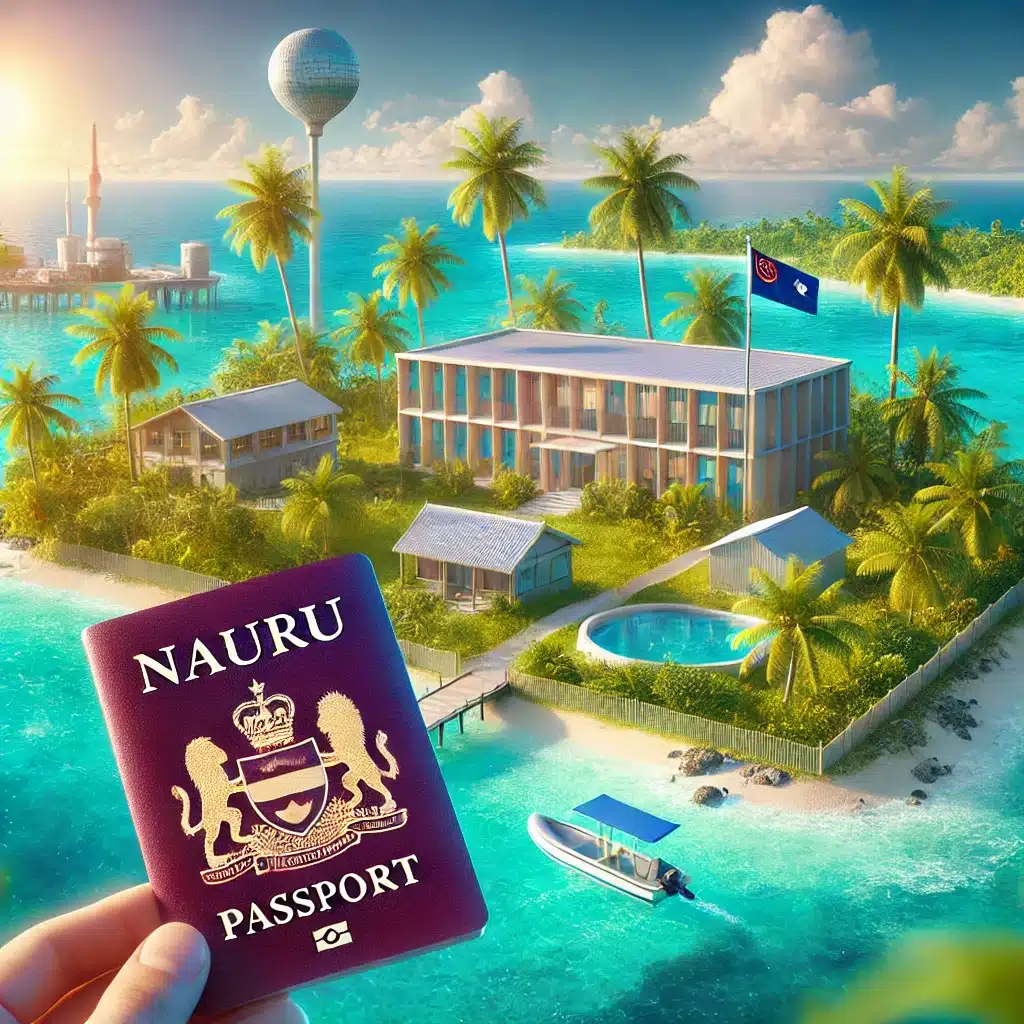
Step 5: Decision Notification
Once all procedures are completed, applicants will be informed of the decision. If approved, applicants will be required to take an oath of allegiance before officially receiving their citizenship.
Benefits of Nauru Citizenship
Obtaining Nauruan citizenship comes with various benefits. Citizens have the right to own property, reside in the nation without any restrictions, and participate in the country’s political processes, including voting in elections.
Access to Education and Healthcare
Citizenship also provides access to education and healthcare benefits provided by the Nauruan government,
which can significantly improve the quality of life for individuals and families.
Employment Opportunities
Nauruan citizens enjoy preferential treatment when it comes to employment opportunities within the country. This obligation ensures that citizens have first access to job openings, thereby nurturing local talent.
Challenges in the Citizenship Process
While the process of obtaining Nauru citizenship may seem straightforward, there are challenges that applicants may face. These include stringent language requirements and the necessity to demonstrate integration into Nauruan society.
Language Proficiency
One of the unique aspects of Nauru’s citizenship process is the emphasis on language proficiency. The requirement to understand and speak Nauruan can be a barrier for many applicants. It often necessitates a commitment to language learning that may not have been anticipated.
Cultural Integration
Additionally, demonstrating cultural integration can be challenging for some. Applicants must take steps to learn about local customs, traditions, and community expectations. This integration process may take considerable time and effort.
Conclusion
In conclusion, Nauru citizenship is a valuable status that comes with both rights and responsibilities. Understanding the avenues to citizenship, the steps involved, and the benefits provided is essential for those interested in becoming a citizen of this unique island nation. Whether through birth or application, becoming a citizen of Nauru opens doors to a host of opportunities, enriching not only the individual’s life but also contributing to the diverse tapestry of Nauruan society.