Cultural interpretations of gambling Insights from Pinco
The Evolution of Gambling Across Cultures
Gambling has been an intrinsic part of human civilization for centuries, evolving from primitive forms of chance to sophisticated gaming experiences found in modern casinos. Different cultures have shaped their unique interpretations of gambling, influencing practices, perceptions, and regulations. For example, in many Asian cultures, gambling is often viewed as a social activity, integrated into festivals and family gatherings, reflecting a communal spirit. One noteworthy example of this is found in the Pinco App, which is an innovative platform designed to enhance user experiences; you can learn more at https://drivershortage.ca/.
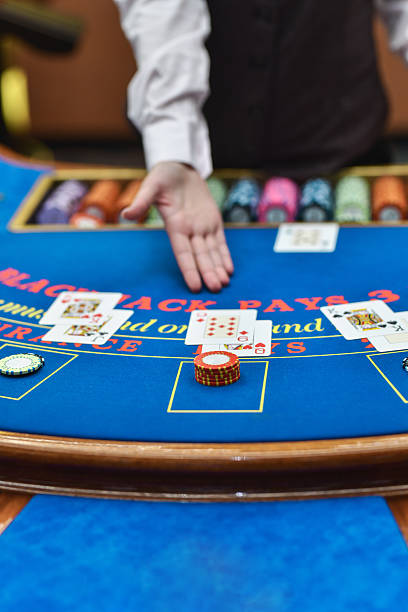
Contrastingly, in Western societies, gambling may carry a more individualistic connotation, often associated with personal freedom and autonomy. This divergence highlights how cultural values impact the way gambling is perceived and practiced, informing everything from the design of gaming environments to societal attitudes towards risk and chance.
Symbolism and Meaning in Gambling
The symbols used in gambling games—whether in slot machines or traditional card games—often resonate with cultural significance. In many cultures, particular numbers or icons are imbued with luck or superstition. For example, the number eight is considered lucky in Chinese culture, influencing game design and player preferences in regions like Macau. Pinco Casino also takes these aspects into account, aiming to provide a culturally rich gaming experience that appeals to a global audience.
Understanding these symbols is crucial for casinos, as they can enhance the gaming experience and attract a more diverse audience. The Pinco Casino Canada recognizes the importance of cultural symbols, ensuring that their offerings appeal to various cultural backgrounds while maintaining a universal appeal across their gaming platforms.
Responsible Gambling and Cultural Perspectives
Responsible gambling practices are shaped by cultural attitudes toward risk and reward. In cultures that view gambling as a social activity, there may be a stronger emphasis on community oversight and support, promoting responsible behavior among participants. Conversely, in cultures where gambling is more individualistic, the onus may fall more heavily on the individual to exercise self-control. Pinco Casino Online emphasizes the significance of responsible gambling by incorporating tools and features that help players manage their gaming habits.
This approach not only caters to the preferences of Canadian users but also aligns with broader cultural discussions around gambling and responsibility.
The Role of Technology in Modern Gambling
Technology has dramatically transformed the gambling landscape, making games accessible to a global audience. Online casinos like Pinco provide platforms that accommodate various cultural interpretations of gambling, allowing players from different backgrounds to engage in a familiar environment. This adaptability is crucial for reaching diverse demographics.
The mobile gaming experience exemplified by the Pinco App caters specifically to modern players, offering seamless navigation and an extensive game library. This technology-driven approach not only enhances user experience but also reflects the shifting cultural norms surrounding gambling, where convenience and accessibility are paramount.

Pinco: A Cultural Bridge in Online Gambling
Pinco Casino stands out as a digital platform that embraces the diverse cultural interpretations of gambling, particularly within the Canadian context. By offering a wide variety of games and user-friendly features, it serves as a bridge for players from different backgrounds, fostering an inclusive gaming environment.
As the world of gambling continues to evolve, platforms like Pinco play a critical role in shaping cultural dialogues around gaming. The focus on community, technology, and responsible gaming practices ensures that Pinco not only meets the needs of its users but also contributes to the broader conversation about the cultural significance of gambling in today’s society.